Some wine tastings you attend because it’s part of the job, and then there are those you actually look forward to. Winemag‘s 2026 Old Vine Report tasting was certainly the latter.
Hosted at The Kraal Restaurant at Joostenberg Wine Estate, the afternoon brought together some of South Africa’s most exciting old-vine wines, the people behind them and plenty of elevated conversation. I arrived curious to see what had made the cut, particularly which varieties were represented and whether anything would catch me by surprise.
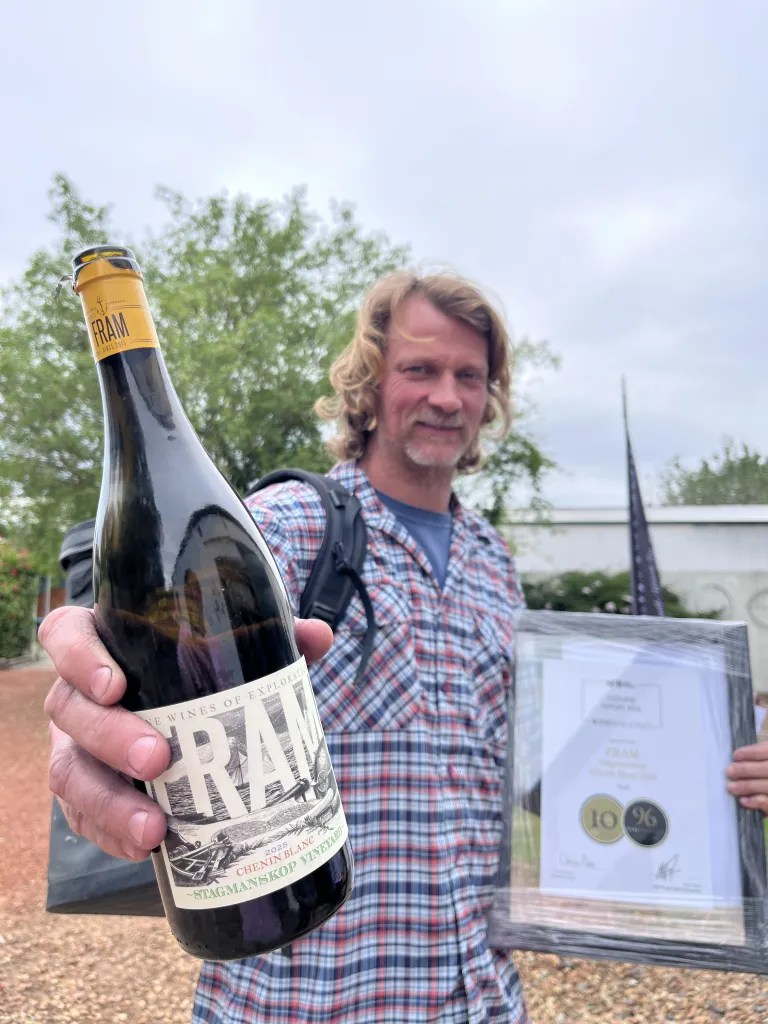
The very first wine I tasted upon arriving was the Fram Wines Stagmanskop Chenin Blanc 2025…and what an introduction it was!
Some wines take a little time to feel comfortable enough to reveal themselves to you. However, this one grabbed my attention immediately. I knew I was in for a ride if this was the standard being set right from the start.
The nose was captivating, displaying the distinctive character I associate with old vine Chenin. Ripe quince, dried yellow fruit, a little lanolin and something almost savoury beneath the wine’s surface. On the palate, there was plenty of “furry” stone fruit, kumquat and exotic spice. It literally reminded me of biting into a super ripe peach. Juicy, concentrated and wonderfully textured, yet with such purity of fruit.
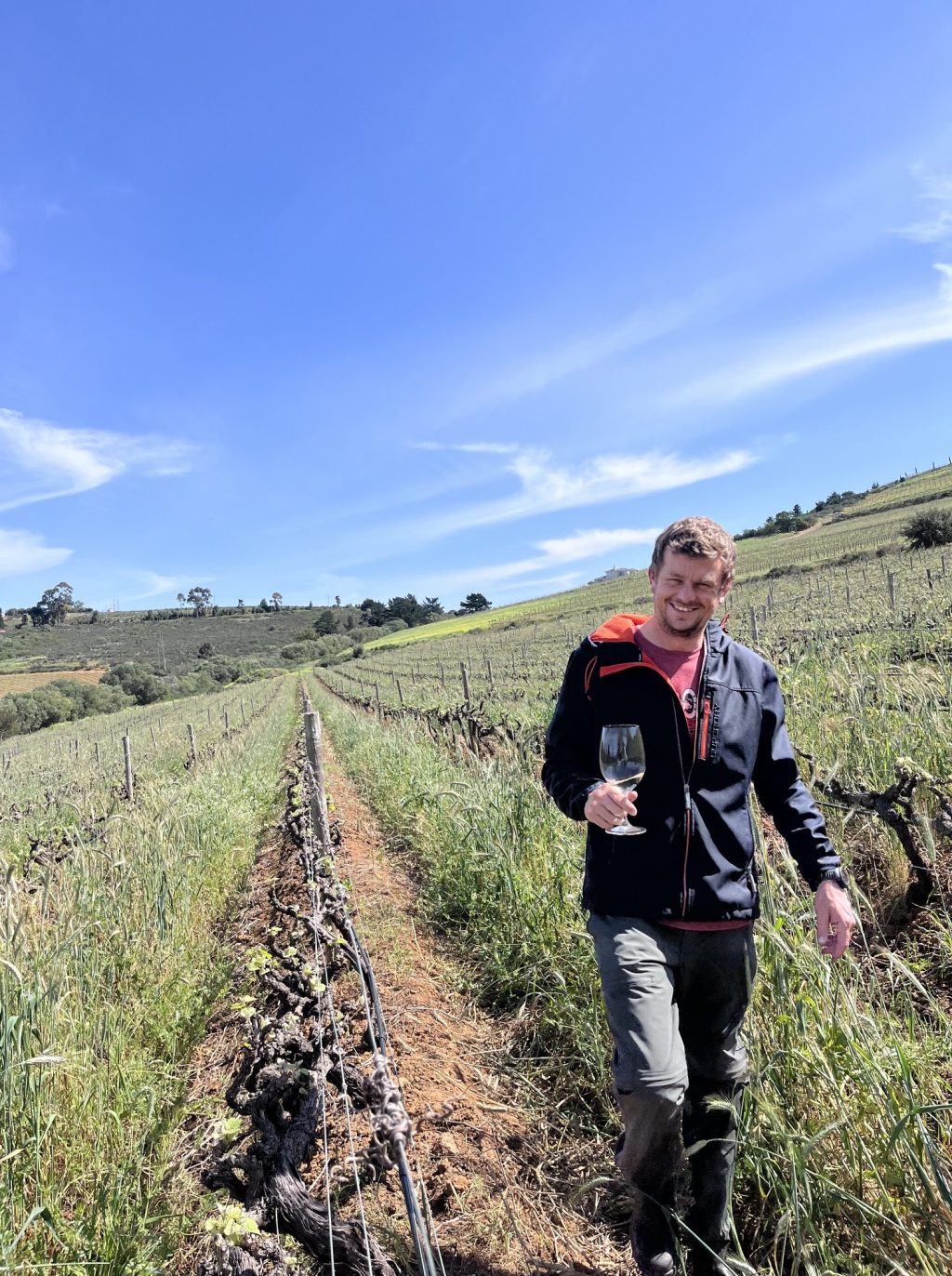
What made the wine even more interesting was a quick conversation with winemaker Thinus Kruger about its fermentation, after tailing him back to his car. Apparently, the wine hadn’t completed fermentation and needed to be reinoculated during winter. I couldn’t help wondering whether that prolonged fermentation had contributed to its intriguing aromatic character and texture. It’s difficult to establish without knowing the exact technical details, but it definitely added another dimension to an already fascinating wine!
One of my biggest observations from the tasting was the dominance of Chenin Blanc among the top-performing wines. Don’t get me wrong, I appreciate the variety, and South Africa produces some of the finest examples anywhere in the world. But, I did find myself wondering whether we are seeing enough diversity in the old vine category. Is Chenin just that good in South Africa, or should producers be paying more attention to other cultivars?
Perhaps it comes down to what sells. Chenin Blanc is a variety consumers know and understand far better than, say, Gewürztraminer, Sémillon or Muscat. And, when you consider the costs involved in maintaining old vineyards, often with considerably lower yields, producers need to know there’s a market willing to pay for the wines. Chenin already has that established demand, making it a far easier commercial decision to preserve and invest in these vineyards than to take a chance on lesser-known varieties. I don’t know, I’m just thinking out loud.
Again, South Africa has an impressive relationship with Chenin Blanc. Between the Loire Valley in France and the Western Cape, you are looking at two of the world’s most important regions for serious examples of the variety.
The Western Cape’s diversity of soils, elevations, aspects and climatic influences provides an incredible foundation for Chenin. From the dry farmed bush vines of the Swartland to the rugged landscapes of Piekenierskloof, the Skurfberg and other established growing areas, there’s a richly varied range of expressions. Many of these vineyards have survived decades of changing market demands, difficult economic conditions and increasing climatic pressures, and to be honest, that survival deserves applause!
South Africa has also made important contributions to sustainable viticulture, vineyard conservation and old vine certification. The work being done around regenerative farming and preserving established vineyards is encouraging, even if there’s still plenty of progress to be made.
I remember regenerative viticulture being one of the research assignment options while completing my WSET Diploma. Considering how much work is being done in this field here in South Africa, I probably should’ve taken advantage of the knowledge and resources available on my own doorstep. Instead, I opted to research the wine industry in Virginia, USA…always finding ways to make life more difficult for myself! It was a fascinating subject nonetheless, one I actually enjoyed researching and through which I developed a few valuable relationships along the way.
Getting back to our old vineyards, though, I can’t help wondering whether we’re giving enough attention to the other varieties that have survived alongside Chenin Blanc. Which brings me to a question I had throughout the tasting. But where were the Sémillon, Pinotage and the rest?
For example, we have some ambitious examples of old vine Sémillon in South Africa. Granted, it is a variety that can take time to reveal its full potential in bottle. Anyone familiar with the great aged Sémillons of Australia’s Hunter Valley will understand what I am getting at, although the styles and growing conditions are quite different.
The same goes for Sauvignon Blanc and Colombar. There are some excellent old vine examples of both varieties, and I would love to see them competing more prominently. Perhaps the examples entered simply didn’t perform as strongly on the day, or maybe there weren’t many submitted in the first place. I’d be interested to know. Something I’ll have to ask the judges when I see them next.
I guess it’s also worth remembering that Chenin Blanc accounts for approximately 2558 ha of South Africa’s old vine plantings, considerably more than any other variety. Colombar follows at around 618 ha, with Sauvignon Blanc at 475 ha and Muscat d’Alexandrie at 300 ha. Sémillon accounts for just 83 ha. So perhaps the results also reflect what is actually available in our vineyards. Whatever the explanation, I’d love to see a broader representation of varieties at next year’s tasting.
I was particularly happy to see the Delheim Iconoclast Versed Vines 2024 included in the lineup. This is a peculiar old vine white blend comprising Riesling, Chenin Blanc, Muscat de Frontignan, Sauvignon Blanc and Colombar. The five varieties bring different qualities to the wine, showcasing how interesting the old vine category can become when producers look beyond single variety expressions. It also brought back a personal memory…
During the last instalment of the Sommelier Shootout, I selected Delheim’s Iconoclast Tempranillo as one of the wines to present. Seeing another wine from the Iconoclast range among the top performers was a nice reminder of that experience. That winning experience!
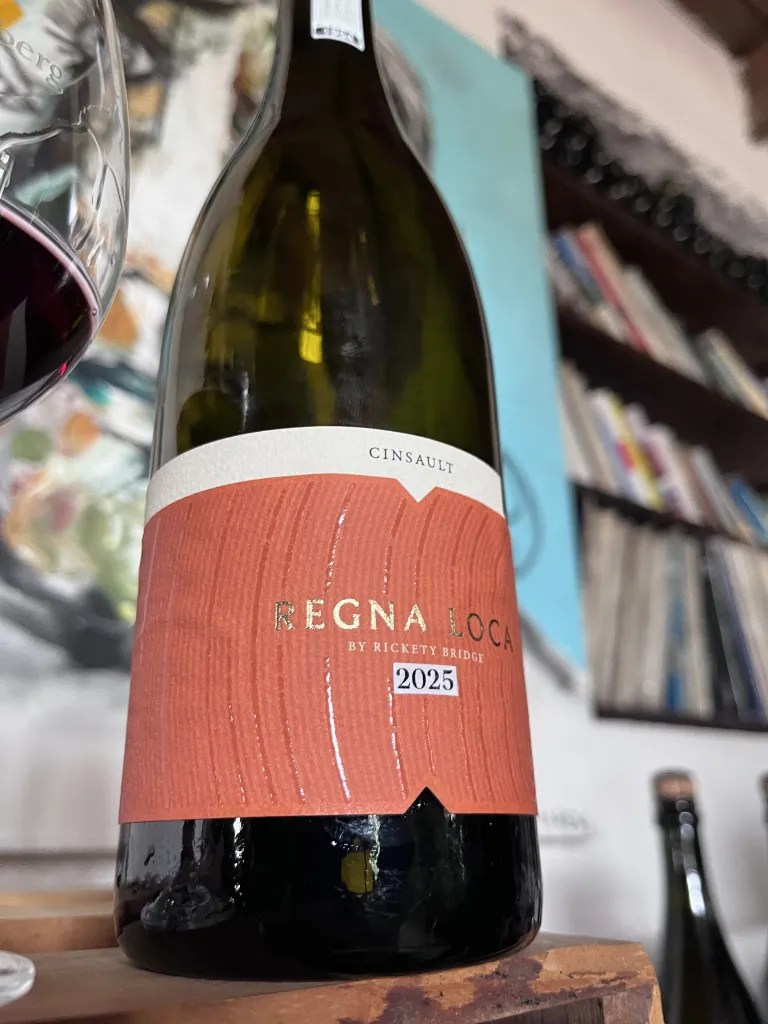
From what I gathered throughout the tasting, there were considerably fewer red wines submitted than whites. One that deservedly made the cut was the Rickety Bridge Regna Loca Cinsault 2025. What a wine! Honestly, I thought it was close to flawless. An abundance of spice and bright, juicy red fruit, with a wonderfully fleshy character and enough freshness to keep everything beautifully composed. The aromatic complexity was particularly appealing, with a lifted whole-bunch-like spiciness. The fruit comes from a vineyard planted in 1954, meaning more than 70 years of history captured in a single bottle!
As vines mature, they often become less productive, particularly when growing conditions are challenging. Lower yields can contribute to concentration, while established root systems and the vine’s physiological balance can influence how fruit develops. Of course, age alone does not guarantee quality. Vineyard health, site, farming practices and winemaking remain crucial. As I’ve mentioned in a previous post, a young vine planted in favourable growing conditions can produce better-quality fruit than an old vine growing in less favourable conditions. But, when everything comes together, old vineyards can produce wines of severe quality and character. This Cinsault was a wonderful example.
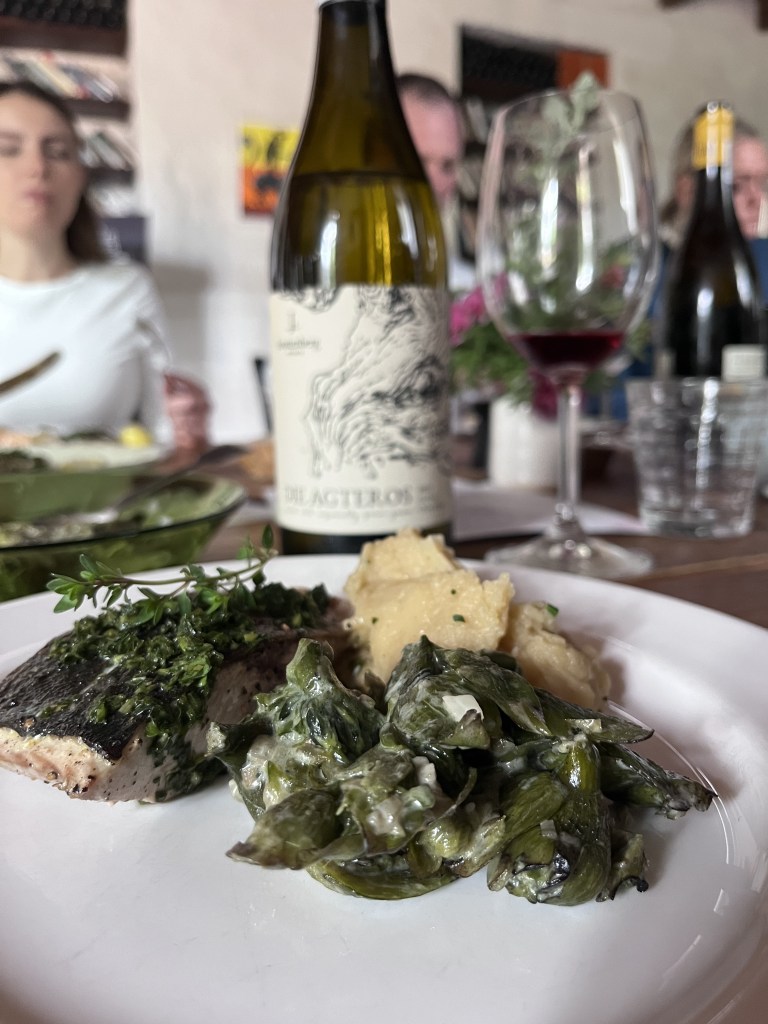
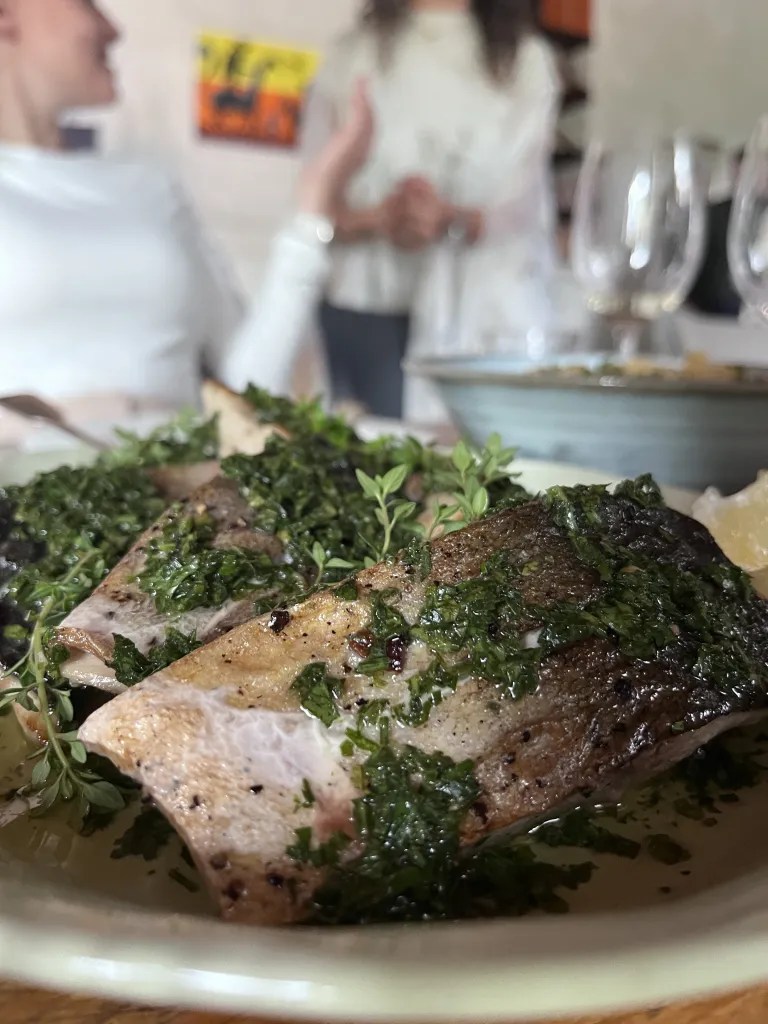
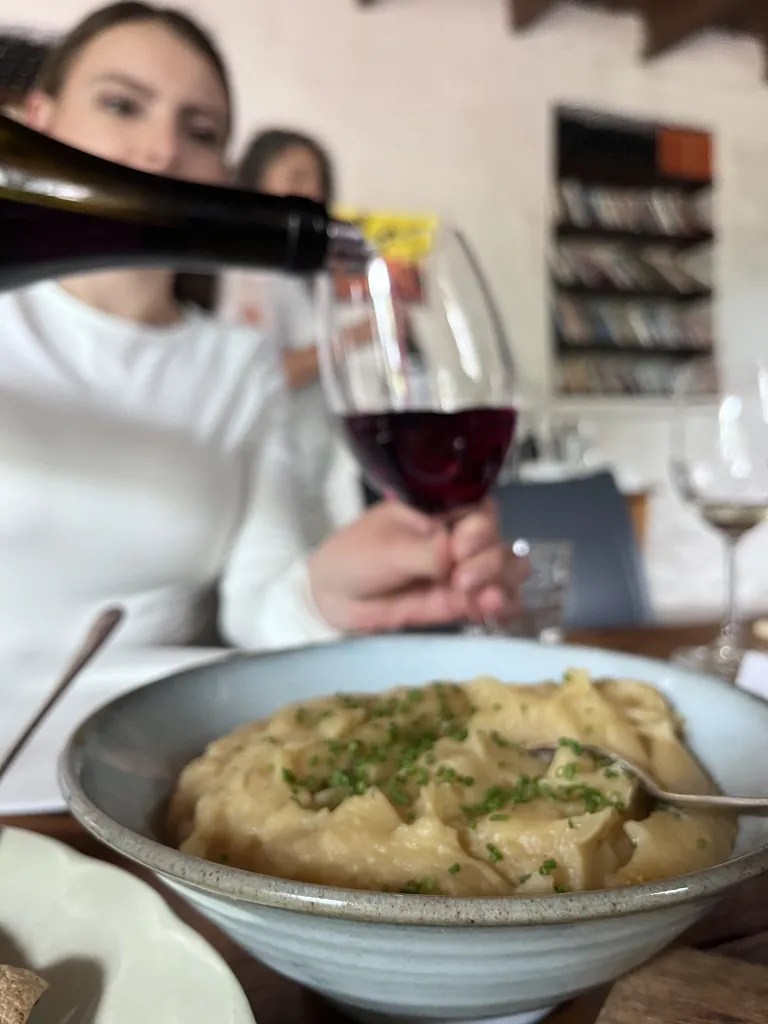
What I particularly appreciated was its maturity of expression. Not in the sense of developed bottle age, but rather the composure and elegance of the wine itself. It also paired superbly with the waterblommetjie fricassée served at lunch! Super unexpected.
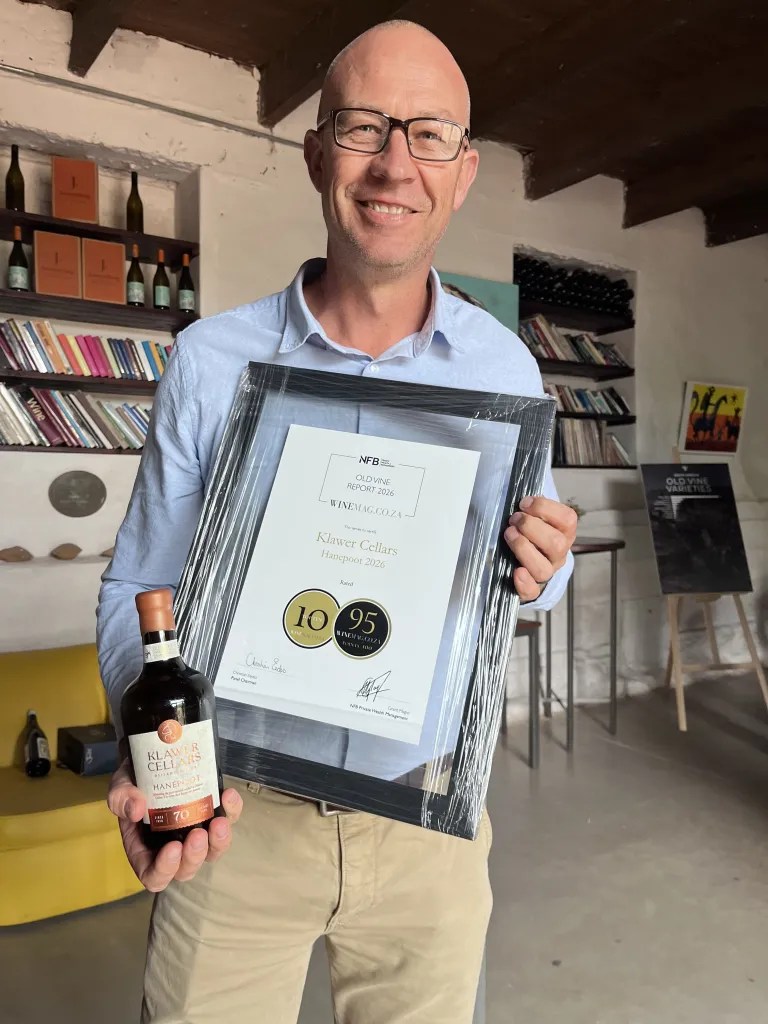
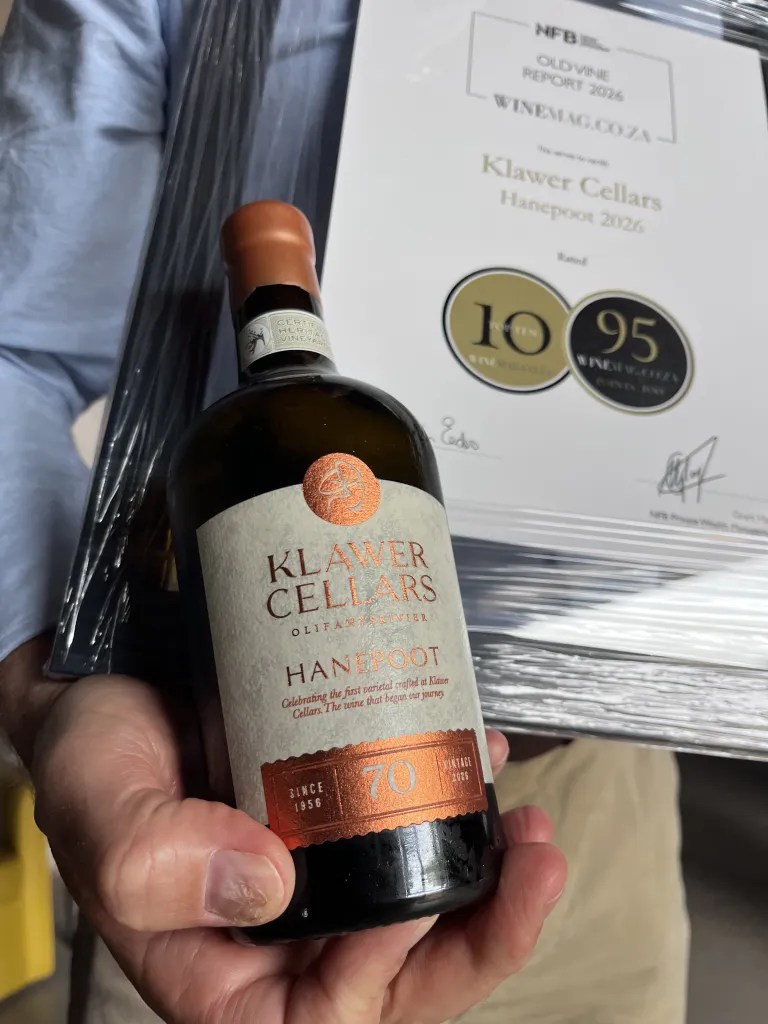
Maybe it is because I am getting older, but I have developed an increasingly enthusiastic appreciation for a really good sweet wine. The Klawer Cellars Hanepoot 2026 was absolutely mouthwatering. Made from Muscat d’Alexandrie, this was a wonderfully fragrant, palate-coating expression of the variety. Think orange blossom, ripe apricot, candied citrus peel and honeyed Muscat grapes. Wildly aromatic, with concentrated sweetness and a richness that lingered across the palate, leaving a glossy, almost creamy impression.
What impressed me was that the wine didn’t solely rely on sweetness to make an statement. There was a sense of balance and sophistication that made it very enjoyable to drink. It was delicious! On top of this, the wine received 95 points, placing it among the very best wines of the tasting! And the price…less than R160 a bottle! I mean, seriously. Klawer Cellars has produced something quite special here, particularly when you consider the quality relative to the price.
It was also a reminder that the old-vine category isn’t exclusively about expensive, limited-production wines. There are some excellent examples offering exceptional value for money, and this was one of them.
Another point worth mentioning regarding the overall results was how high the standard had been. Of the 77 wines submitted by 48 producers, 69% scored 90 points or higher. The top ten wines started at 94 points, with the highest-scoring wine receiving 96. That’s a very narrow spread at the upper end of the scoring scale!
You may have noticed that I’ve spent a little more time discussing the FRAM Stagmanskop Chenin Blanc, Rickety Bridge Regna Loca Cinsault and Klawer Cellars Hanepoot. That’s simply because they were my three personal favourites of the afternoon, each for very different reasons. And, as it turns out, the FRAM was also the highest-scoring wine of the competition. Bravo, Thinus!
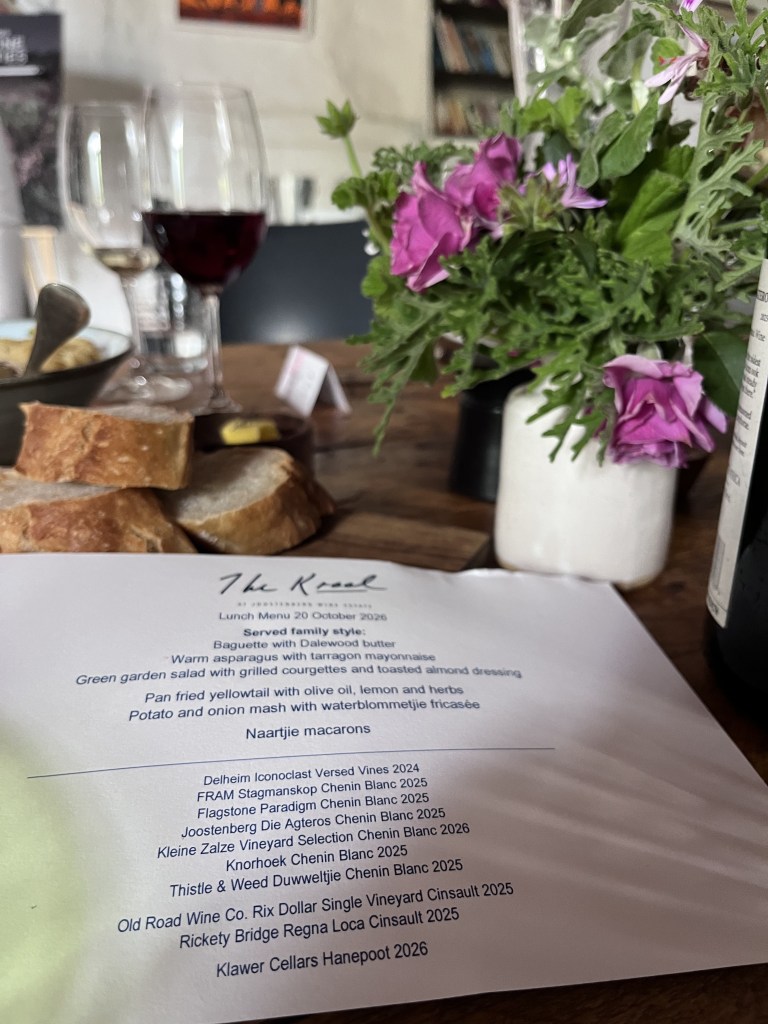
2026 NFB Old Vine Report Top 10
- 96 points – FRAM Stagmanskop Chenin Blanc 2025
- 95 points – Flagstone Paradigm Chenin Blanc 2025
- 95 points – Joostenberg Die Agteros Chenin Blanc 2025
- 95 points – Klawer Cellars Hanepoot 2026
- 95 points – Knorhoek Chenin Blanc 2025
- 95 points – Old Road Wine Co. The Rix Dollar Single Vineyard Cinsault 2025
- 95 points – Rickety Bridge Regna Loca Cinsault 2025
- 95 points – Thistle & Weed Duwweltjie Chenin Blanc 2025
- 94 points – Delheim Iconoclast Versed Vines 2024
- 94 points – Kleine Zalze Vineyard Selection Chenin Blanc 2026
Of course, a tasting like this represents the wines submitted rather than every old-vine wine produced in South Africa. Nevertheless, the quality on display was impressive. It also says something about the producers who continue investing in vineyards that are often more expensive and challenging to maintain than younger, more productive plantings.
I had a good laugh during lunch when Stephanie from Thistle and Weed pointed out how much of the fruit used for the winning wines came from Paarl. “Seems you got to get old before you can make Paarl hot”, she joked!
Jokes aside, it was a good reminder that some of our most exciting vineyard material exists in regions that don’t always receive the same attention as the more fashionable wine-growing areas. Maybe these old vineyards are helping to change that conversation?
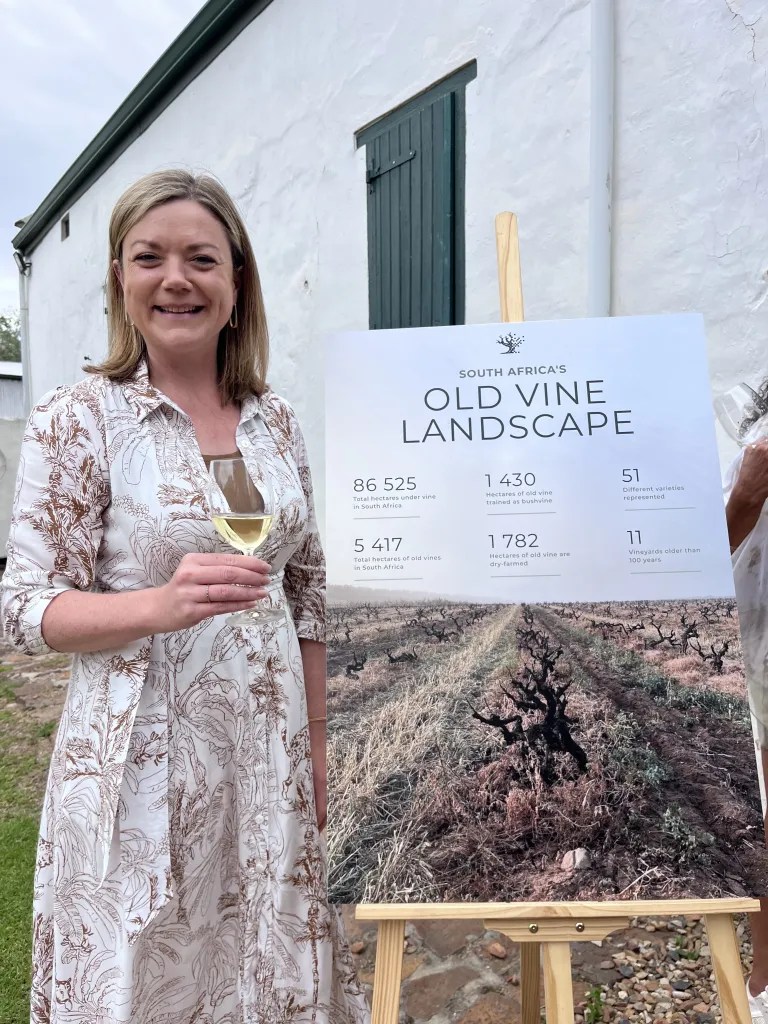
One of the most meaningful parts of the afternoon had very little to do with what was in our glasses. Listening to Rosa Kruger speak about the people who care for South Africa’s vineyards was a reminder that the Old Vine Project is about more than just protecting old plants.
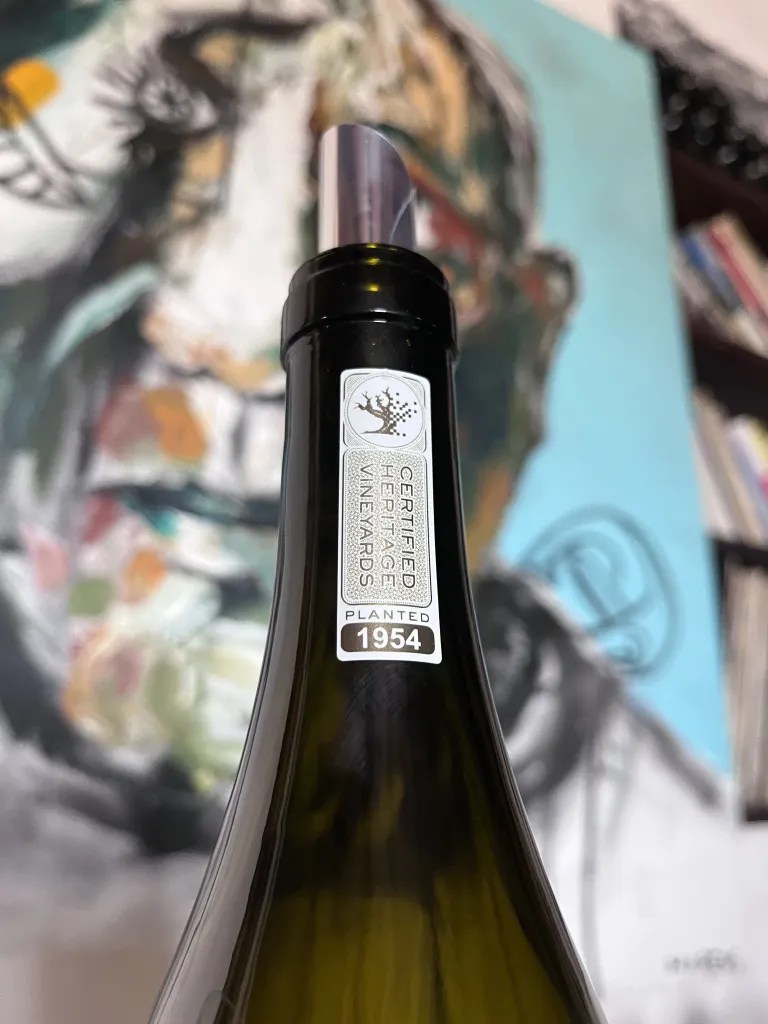
Rosa Kruger began documenting South Africa’s old vineyards in 2002, long before old-vine wines received the international recognition they enjoy today. The Old Vine Project (OVP) was formally established in 2016 with seed funding from the Rupert Foundation, building on the work Rosa had started 14 years earlier. Since then, the organisation has made significant progress in protecting these vineyards through research, certification, education and producer involvement. In 2018, the OVP introduced the Certified Heritage Vineyards seal, allowing producers to identify wines made from vineyards at least 35 years old, together with their planting dates.
I was particularly interested in Rosa’s appreciation for the people working in these vineyards. She spoke proudly about vineyard workers and the knowledge passed down through generations. Many have spent decades tending the same vines, developing an understanding of the soils, seasons and individual plants that simply can’t be taught in a classroom. Rosa made an important point about recognising and preserving this knowledge, not only for the benefit of future generations of vineyard workers, but also for the continued quality of South African wines.
The OVP is investing in this through its educational initiatives, including the Old Vine Academy, supported by Imvini Wethu, and specialised pruning courses run in collaboration with FELCO Africa. These programmes provide practical training and help pass valuable knowledge on to younger generations. Correct pruning is particularly important, as poor techniques can cause lasting damage to old vines and shorten their productive lives. For anyone interested in supporting these initiatives, visit www.oldvineproject.co.za or contact info@oldvineproject.co.za. Preserving our old vineyards is important, but so is investing in the people who know them best.
Something else that caught my attention was the suggestion that South Africa’s old vine category is better recognised internationally than it is here at home…think about that for a moment.
We have these phenomenal vineyards, some more than a century old, producing wines that receive serious international recognition. Yet many South African consumers probably have little understanding of what the Certified Heritage Vineyards seal represents. We’re sitting on something incredibly special, and perhaps we don’t fully appreciate it.
According to figures presented by the Old Vine Project, South Africa has approximately 5417 ha of old vineyards, with 71 vineyards older than 100 years. Unlike a historic building or monument, these vineyards are still producing something we can all experience and enjoy! However, they need to remain economically viable.
This brings me to something I would really like to encourage us all to do. Buy and drink more Certified Heritage Vineyards wines! Look for the certification seal and the vineyard planting date on the bottle. Ask your local/favourite wine retailer about old vine wines, and where they are hiding them in store! Also, throw the dice and try varieties you wouldn’t normally drink. Call it research if you must! Yes, some are expensive, but as the Klawer Cellars Hanepoot demonstrated, outstanding quality doesn’t necessarily need to come with an intimidating price tag!
Ultimately, supporting these wines helps create a commercial reason for growers to preserve their vineyards rather than replace them with younger, higher yielding plantings. More often than not, you’ll be drinking something with a truly interesting story behind it.
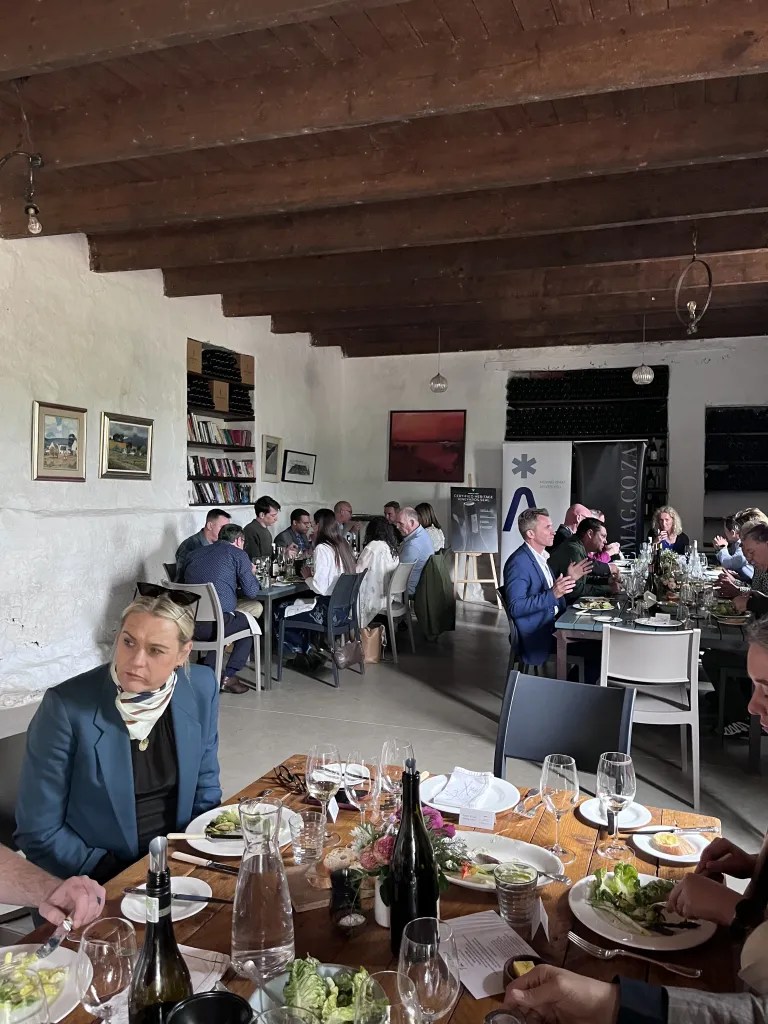
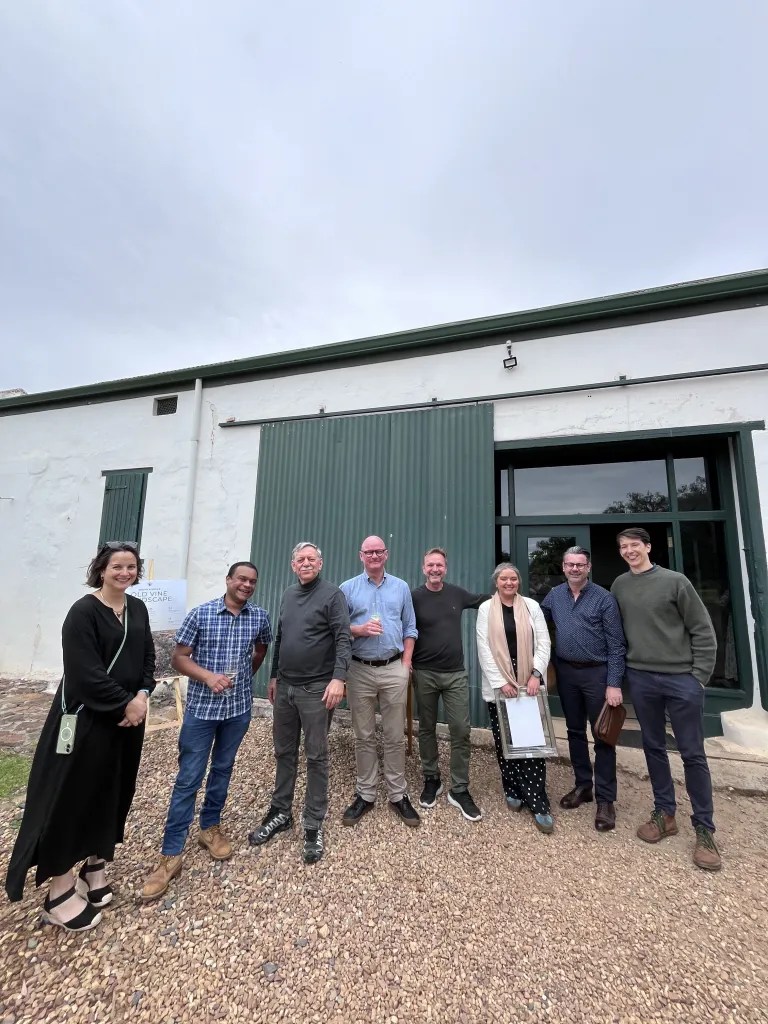
There is one final thing I want to mention about the afternoon. The setting was special. The Kraal Restaurant at Joostenberg Wine Estate provided a wonderful backdrop for a tasting that brought together respected producers, winemakers, industry personalities and some seriously exceptional wines. Everything about the occasion suggested a premium wine event.
But, what I particularly enjoyed was the atmosphere. People were happy. I mean, properly happy. There was laughter, conversation, enthusiasm and a heartfelt sense of celebration, which I found refreshing.
I have attended plenty of high-end wine events where the atmosphere can become a little too formal, almost as though everyone feels obligated to take themselves as seriously as the wines. This Winemag tasting was different. Nobody was getting out of hand. There was simply an infectious energy in the room. People were excited about what had been achieved, and they were not afraid to show it. I mean, why should they be?
These producers have invested years of effort into their vineyards and wines. The Old Vine Project has worked tirelessly to build recognition for the category. The people behind these vineyards have helped preserve something that future generations will hopefully continue to enjoy. They have earned the right to celebrate, and celebrate they did! Jacqueline from Winemag almost had everyone dancing on tables between starters and mains!
A big thank you to Christian Eedes and everyone at Winemag for continuing to organise tastings that give South African wines the attention and critical evaluation they deserve. Thanks also to primary sponsor NFB Private Wealth Management, along with secondary sponsors Fermtech and Aspiring, for their support in making events like these possible.
Winemag’s history stretches back to the original Wine magazine, first published in 1993. Today, Winemag continues that legacy through independent blind tastings, detailed reports and informed wine commentary.
As mentioned, I’d strongly encourage producers to consider entering their wines in future reports. Beyond the potential recognition, these tastings provide an opportunity to have wines assessed alongside some of the country’s most accomplished examples.
And, to the Old Vine Project, its supporters, producers and, most importantly, the people working in the vineyards, thank you for what you are doing!
The quality of wines on display was impressive, but what I enjoyed just as much was the enthusiasm of everyone involved and the work being done to protect these old vineyards.
As I got back into my car, I left with a greater appreciation for the people behind these wines, along with a few lingering questions about the direction of the category that I hope to see answered at future old vine tastings.
Congrats to all the winners.




Leave a Reply