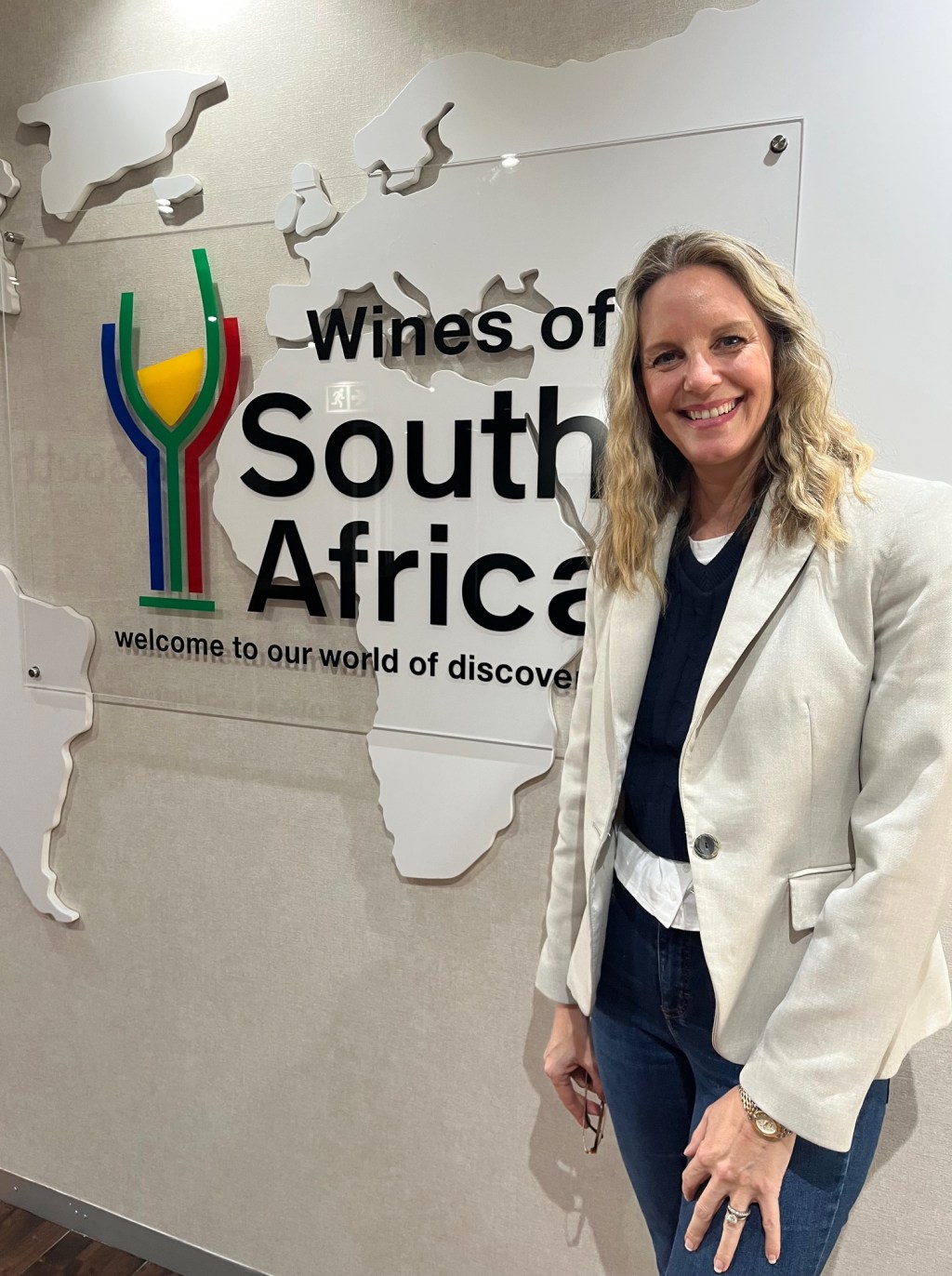
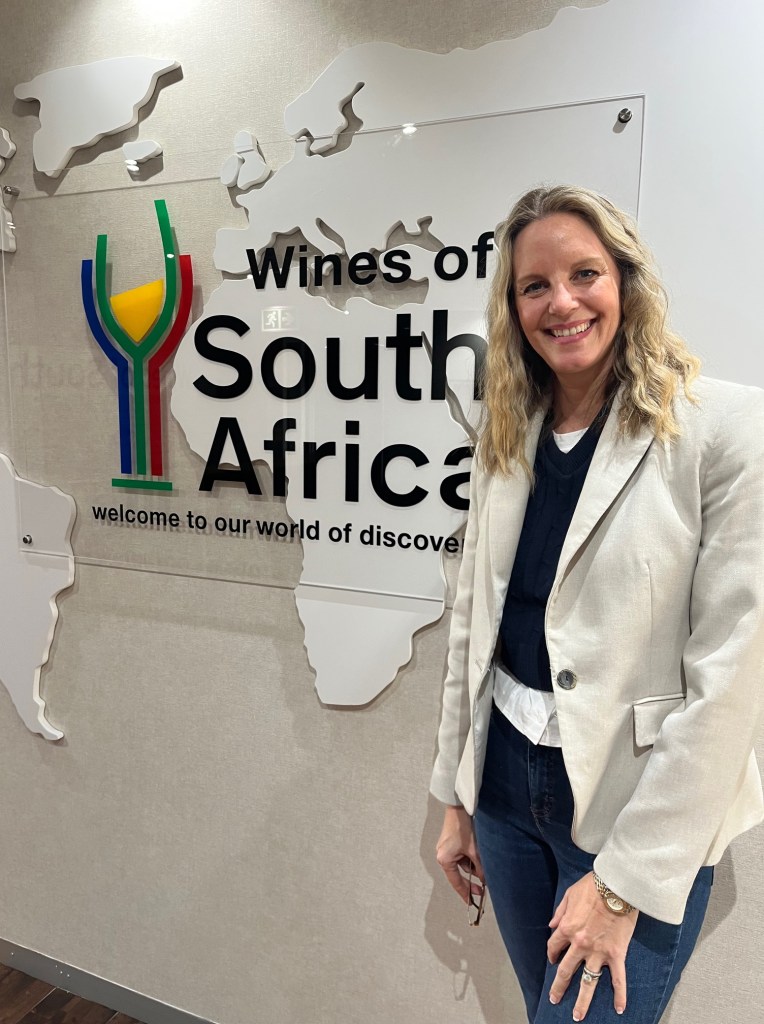
I recently sat down with Maryna Calow, Global Communications Manager at Wines of South Africa (WOSA), to understand what really goes on behind the scenes of South Africa’s wine industry success.
Our conversation covered both the huge undertaking of CapeWine and the incredible, continuous work WOSA does to maintain South Africa’s presence on the world wine stage.
Industry people will have a general idea of what WOSA does, however, many South Africans don’t. I feel it’s important to shine some light to help better understand what WOSA is, and how much work they do for the South African wine industry.
WOSA is South Africa’s official export marketing council for SA wine. Its goal is to raise global awareness and demand by showcasing the country’s wines, regions, and quality to importers, buyers, media, and trade. Through events like CapeWine, WOSA connects producers with key international audiences and helps expand export opportunities for South African wine. It is government-recognised but almost entirely industry-funded, supported by a small levy on every litre exported. There’s no generous state marketing budget, therefore the organisation needs to run lean, and operate strategically.
Maryna’s own journey reflects this “ethos”. She started in wine media, became managing editor of Wine Extra Magazine, and later worked with the SA Wine Show before joining WOSA in 2016. Over time her communications role has grown into one of the most significant voices for South African wine. “It’s an honour and a great responsibility to stand for the producers who’ve been doing remarkable work over the years”, she said.
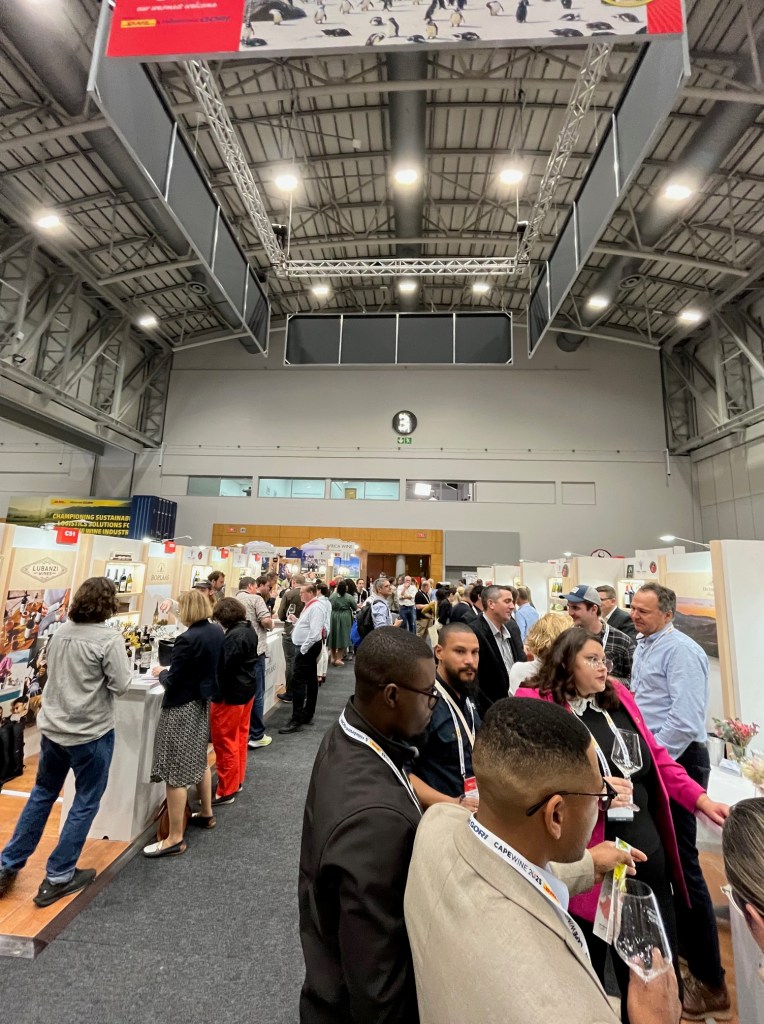
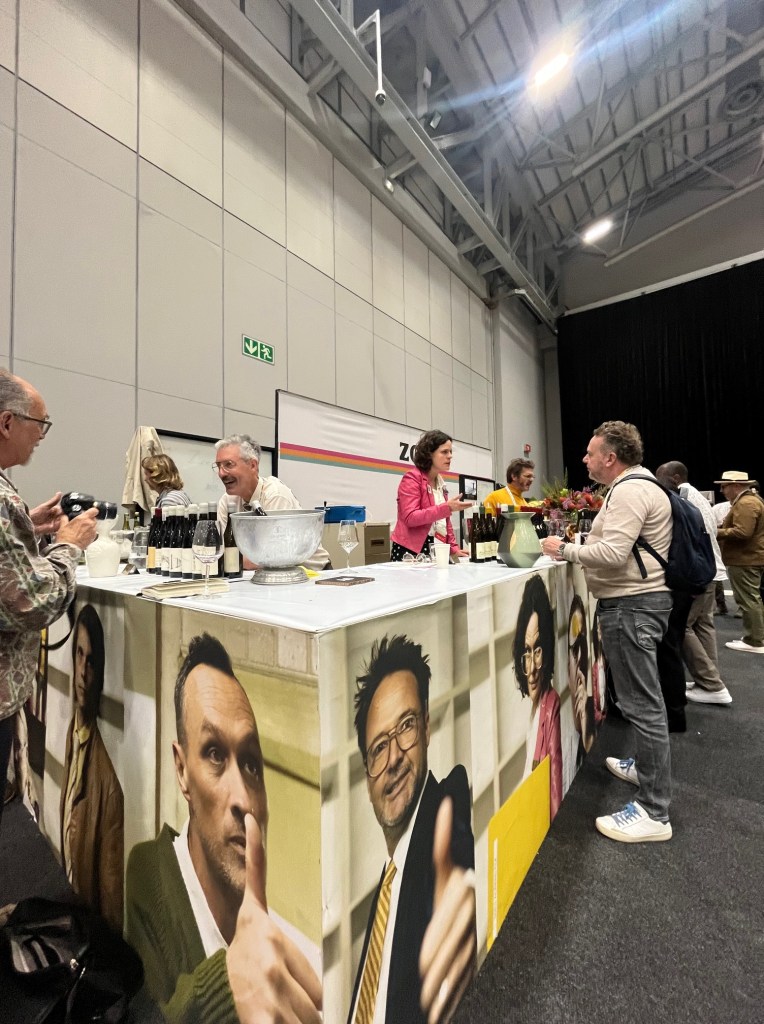
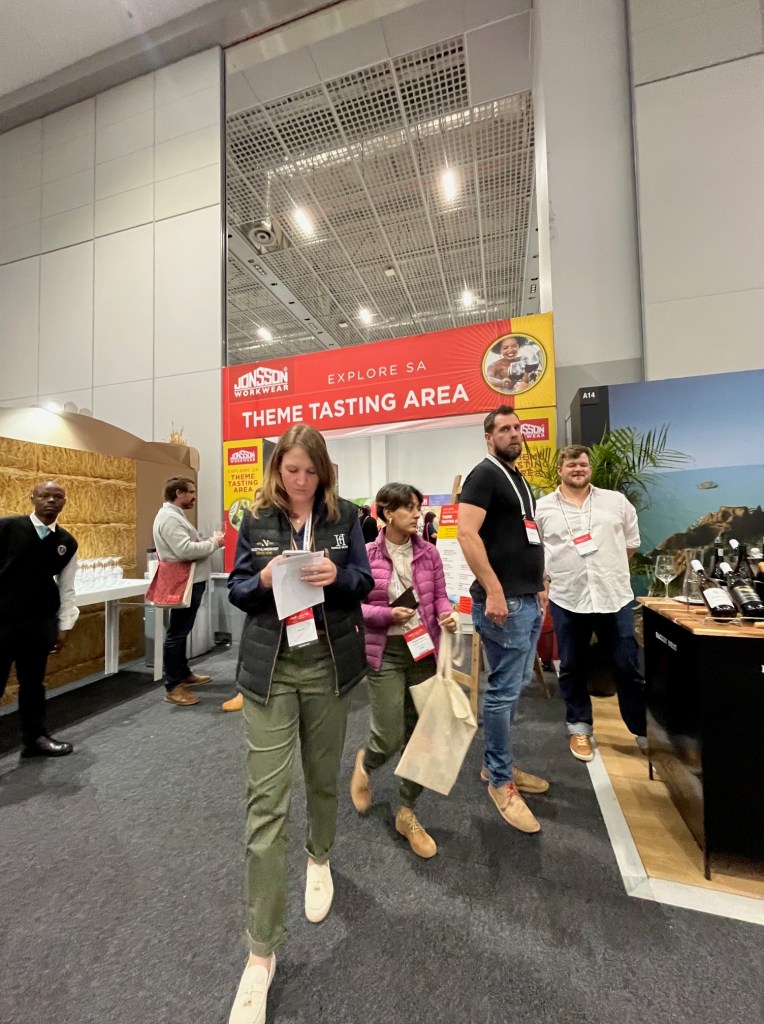
Every three years, WOSA pulls off something rather extraordinary…CapeWine, the flagship trade showcase at the CTICC. The 2025 edition brought 440 producers under one roof (the largest edition to date) and gave international buyers an incomparable overview of South Africa’s diverse wine offering.
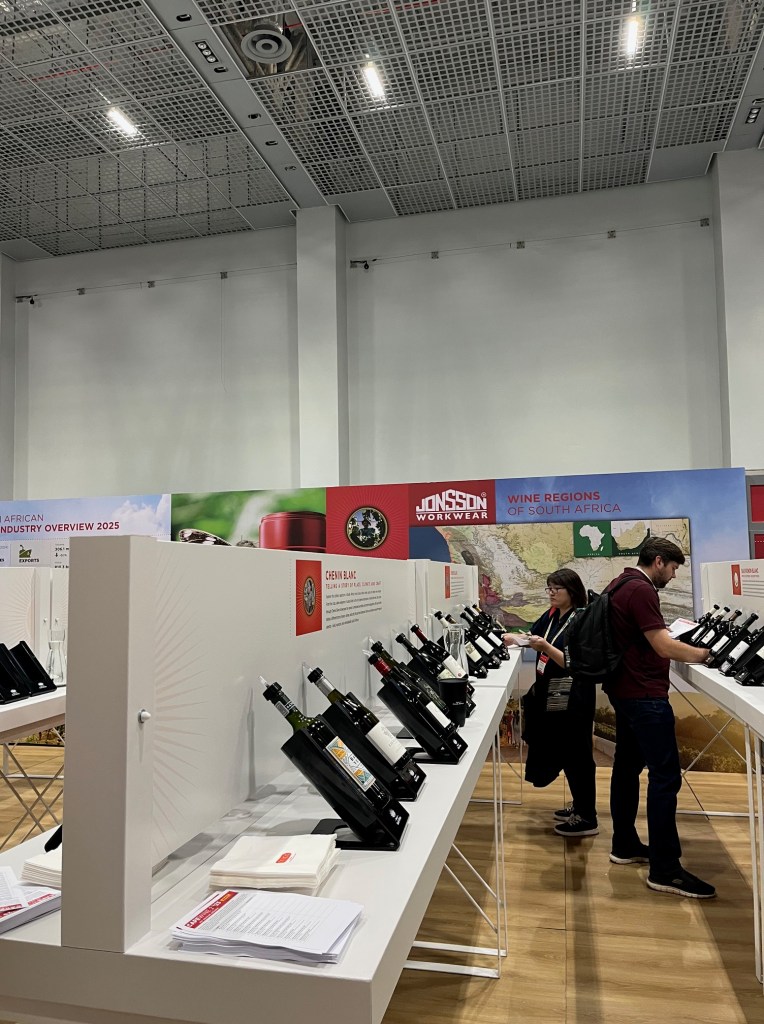
From the outside it seems effortless, but in reality, it’s a two year marathon for a team of only nine individuals. Every stand design to every single piece of artwork must run through them first. They manage floor plans, health and safety sign-offs, including the entire glassware and wine service system which ultimately allows producers to pour freely and most importantly, talk business!
The event programming is tailored to what the global trade wants to know right now. From sustainability and climate change, to category growth and varietal shifts.
Guest logistics alone are staggering. Over 200 international buyers and media are flown in, hosted, and moved around Cape Town for a week filled with more than 50 events, dinners, and masterclasses. Wine samples are consolidated and distributed centrally so exhibitors never have to leave their stand – unless its for a sneaky taste of a neighboring producers wine, of course!
CapeWine keeps developing, and building over time. As it should. This year, even the opening ceremony evolved, with the long formal speeches being replaced by a ribbon-cutting and an energetic parade of drummers and Cape Minstrels, perfectly setting the tone for the theme, “Our Warmest Welcome”. WOSA also used the platform to launch a refreshed brand identity, signalling a modern, confident new chapter.
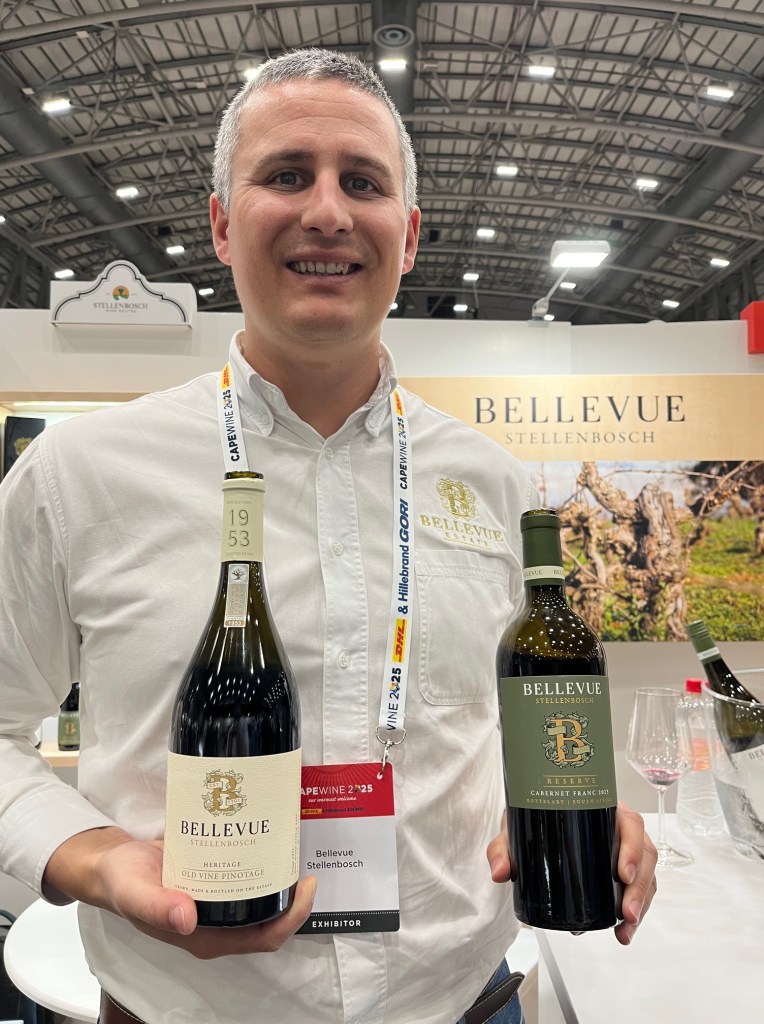
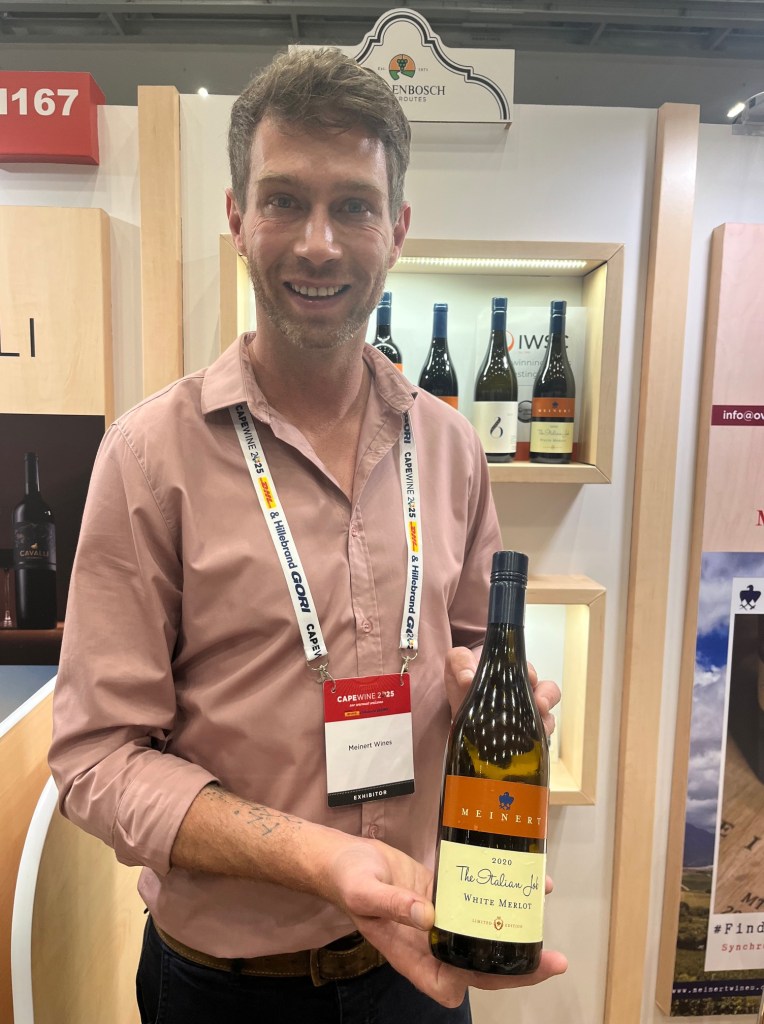
For wineries and producers, especially the “smaller” ones, CapeWine is often the smartest marketing spend they can make. I had the privilege of attending the event and speaking to a few producers.
This what I could gather from our conversations:
Creation Wines: CapeWine is crucial because it brings an international trade audience directly to South Africa (people who would otherwise be hard to reach). Visitors stay longer than just the three show days, giving producers the chance to host them on their estates and build deeper relationships. The event also provides rare, cost-effective exposure to new markets and key buyers, helping open doors for future business beyond existing clients.
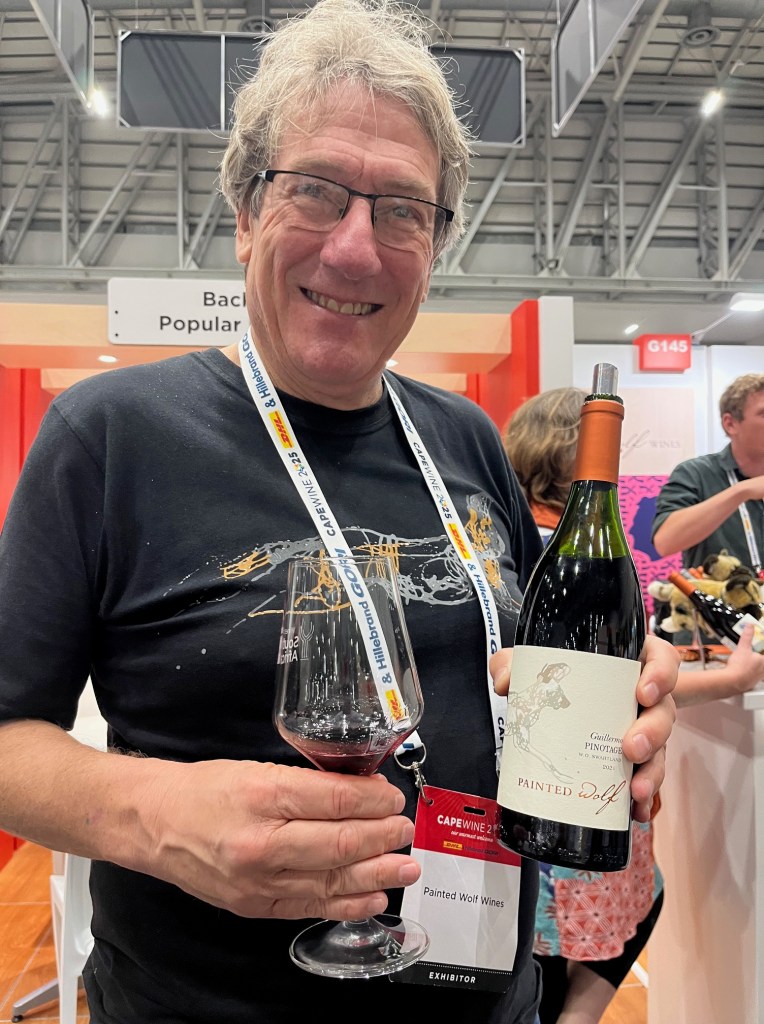
Painted Wolf Wines: CapeWine helps them reach new and non-traditional export markets, especially in Africa and other regions where South African wine isn’t yet well established. The show brings in buyers they wouldn’t normally meet, opening doors to future business and helping them adapt to a changing global wine industry. It’s seen as a cost worth investing in now that the event is attracting the right, forward-thinking trade audience.
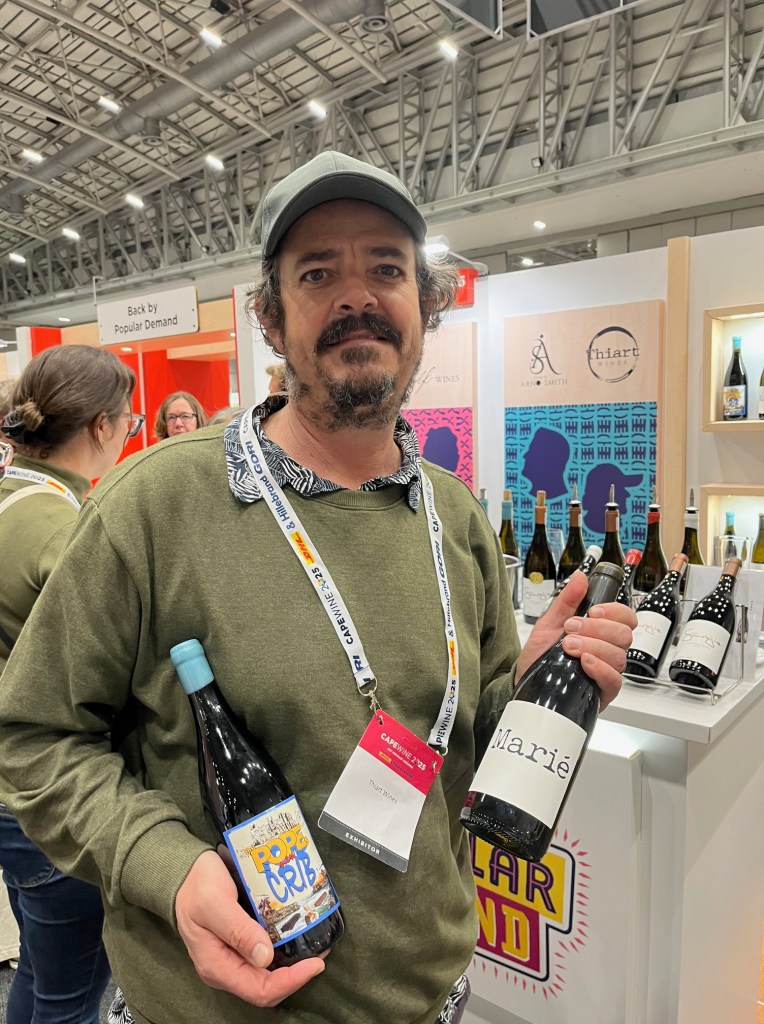
Thiart Wines: CapeWine is vital for their brand because it gives them international exposure they could never afford on their own, bringing importers from key markets like the US, UK, and Europe into one place. It lets them set up meetings, gain traction with buyers, and potentially secure export partners (a big opportunity for a brand with limited marketing resources).
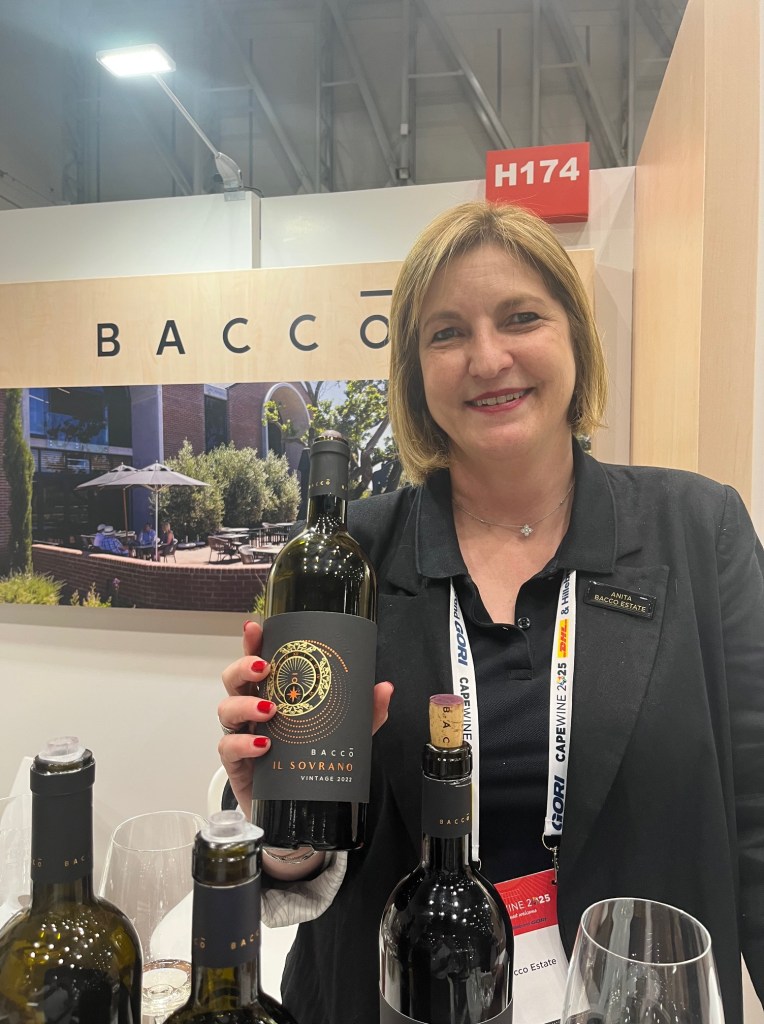
Bacco Estate: CapeWine is key for Bacco because it gives them their first real platform to introduce the brand locally and internationally, especially to targeted markets like the UK, Europe, US, Scandinavia, and Canada. For a smaller-volume winery, even securing one strong export route from the show would be a major win, making the event a cost-effective way to reach the right buyers and grow their presence.
Global fairs like ProWein or Wine Paris can cost around R125,000 ex. VAT just for a minimalistic stand. This is before flights, shipping, and accommodation. “You’re near R200 000 very quickly”, said Maryna. CapeWine is designed to be far more affordable while delivering a highly targeted audience of buyers who come specifically for South African wine. And, from hearing all the positive feedback by producers, WOSA can be proud of their efforts!
Maryna also mentioned how the impact of an event like CapeWine can be relatively quick. Apparently, many of the exhibitors start seeing results within one to two months, depending on market timing and how well they follow up on new connections.
CapeWine may be WOSA’s “headline act”, but WOSA works tirelessly to grow South Africa’s export presence. The organisation maintains small, highly specialised teams in markets such as Canada, US, UK, Germany, Netherlands, Sweden, China and Japan, with a focused approach to Africa that will soon concentrate on countries like Kenya, Tanzania and Uganda. Each market expert understands the local trade dynamics, and tailors their activity accordingly.
All year long, WOSA builds opportunities to keep South African wine in the spotlight. These range from Chenin Blanc Day activations and Pinotage centenary campaigns, to the annual Happy Birthday SA Wine celebrations on 2 February. Market managers help producers plan visits, book winemaker dinners, identify the right importers or on-trade partners, and connect with media.
One of their most powerful initiatives is the Sommelier Summit, where top international sommeliers are brought to South Africa to explore and appreciate our prestigious winemaking regions. Experiencing the Cape in person gives them the necessary tools to help develop stories to share with guests back home. WOSA also works closely with varietal associations, such as the Pinotage Association, to support campaigns and activations in key markets.
All of this happens on a fraction of the budget that some competitor regions enjoy. “Our teams need to constantly think outside of the box”, said a spirited Maryna! “We keep the narrative moving, and producers keep elevating the wine! That’s a combination which works increasingly well”.
The centenary of Pinotage (something I’m super excited about) is one example of how WOSA backs industry storytelling. Working with the Pinotage Association, WOSA has supported tastings and promotions both locally and internationally. Maryna is especially enthusiastic about the way the grape is being reinterpreted with less extraction, more finesse, and treatment that respects its Pinot Noir and Cinsault parentage. “Treat it with TLC and the wines sing”, she emphasised. Pinotage is even being planted abroad, from Oregon to the UK and parts of Europe, which adds a fresh global dimension to the cultivar we’ve all come to love.
South Africa’s sustainability leadership is visible everywhere in WOSA’s work. CapeWine stands are built from lightweight, fully recyclable cardboard by Xanita, single-use plastics are cut to a minimum, even VIP bags are made from repurposed materials. Social sustainability is emphasised through dedicated platforms for black-owned brands and programming focused on inclusion and transformation.
Educational sessions tackle future challenges head-on. From lighter bottle weights, to climate data tools like TerraClim. It’s a genuine commitment that informs how South Africa positions itself to the world.
Perhaps WOSA’s greatest long-term mission is helping the world see South African wine for what it is today, world-class and increasingly premium. For years, many consumers saw South Africa as the place for “cheap and cheerful” wines, but that perception is shifting, and it’s shifting fast! “People are starting to realise a €20 South African wine can knock the socks off its European counterparts quite easily”, Maryna added.
As we conversed, Maryna expressed how the country still lacks a single global “hero brand” like Penfolds in Australia, but its collective strength is impressive and growing. Established names are innovating, newcomers are specialising, and sustainability leaders such as Spier are setting the pace.
Wine might look glamorous from the outside, but at its core, it’s agriculture and livelihoods (farm workers, cellar hands, bottlers, designers, drivers, tour guides etc.). That’s what keeps Maryna and the WOSA team motivated. “Knowing that the work we put in, helps change lives. That’s what drives us”.
CapeWine is the most visible part of the WOSA mission, but it’s just one piece of an ongoing effort. With limited resources and a small but dedicated team, WOSA creates opportunities, shapes global perception, and secures South African wine’s place on the international stage. It empowers producers, guides buyers and sommeliers, and proves to wine lovers why South Africa keeps exceeding all expectations!
Spending time with Maryna left me feeling inspired. She’s easily one of the most knowledgeable people I’ve ever had the pleasure of talking to, and I’m confident with her voice representing an industry I care so deeply for.
To sum it all up, WOSA is a well-oiled machine, built on passion for trade, and the enduring South African spirit.



 WINE, FOOD, AND EVERYTHING THAT'S GOOD!
Leave a Reply